Agent-based simulation of policy making
This project grew out of a cooperation between Vienna University of Economics and Business, FAS Research Vienna, and industry partners. The aim was a dynamic simulation framework for decisions and policies in highly interactive systems.
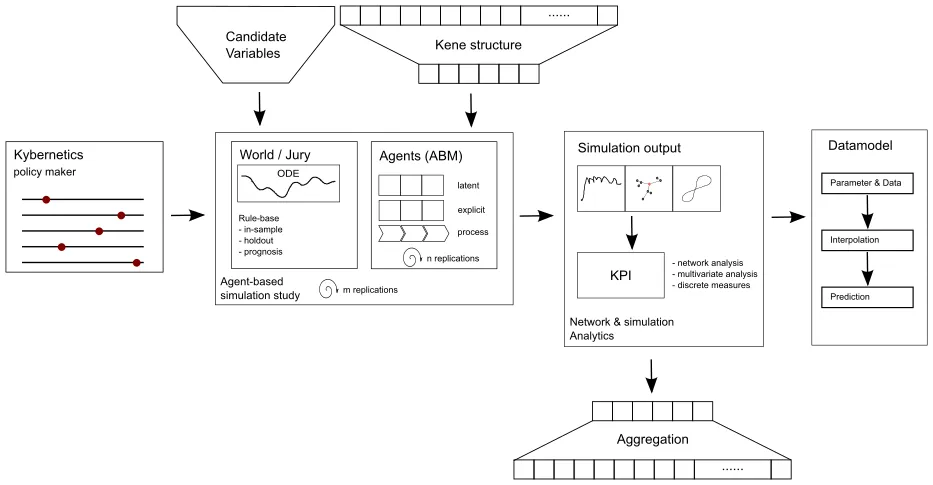
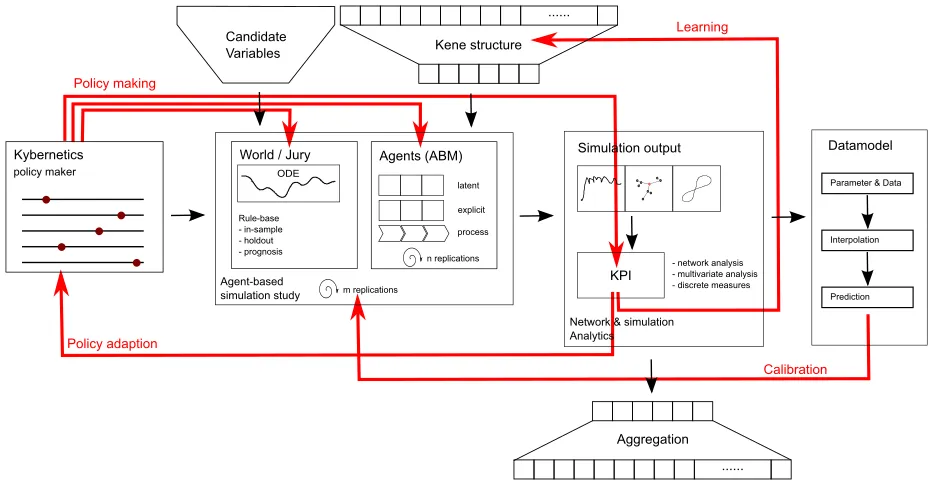
A hybrid core (continuous and discrete) computes interaction effects among heterogeneous actors. After calibration with learning algorithms, scenarios live in a data model. The calibrated system then acts as decision support for policy interventions.
Model structure
Features
Agent-based simulation
The core captures interaction between participants and external control inputs.
Reverse unsupervised learning
A closed control loop learns continuous influences from a stream of usage data and recalibrates the model.
Continuous interaction
Simple control handles let scenarios run on the fly. Immediate response comes from the trained data model.
Decision support
The calibrated system predicts policy interventions in time for use. Mobile and web services can call the model for integration into existing systems — research instrumentation, not a product pitch.
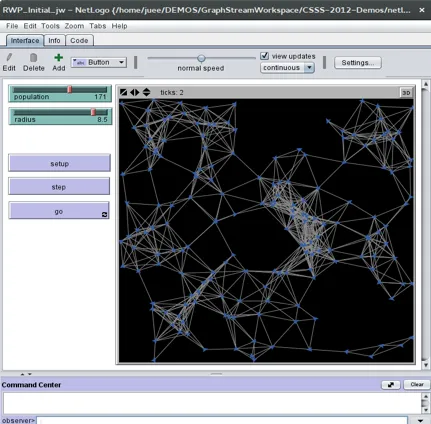
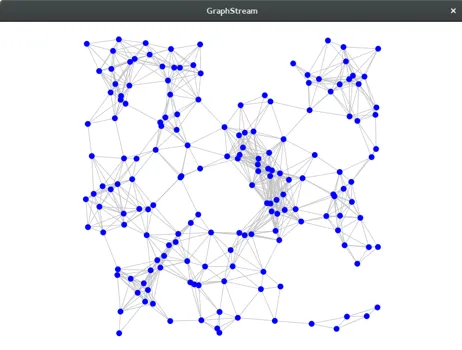
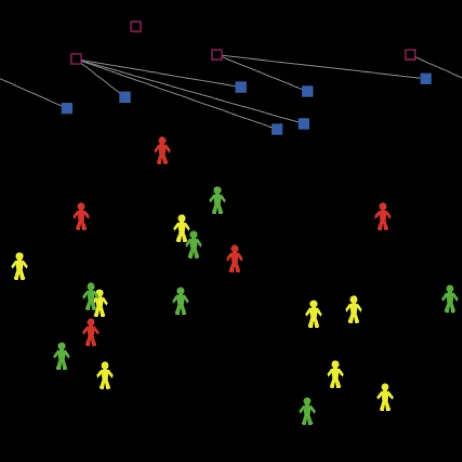
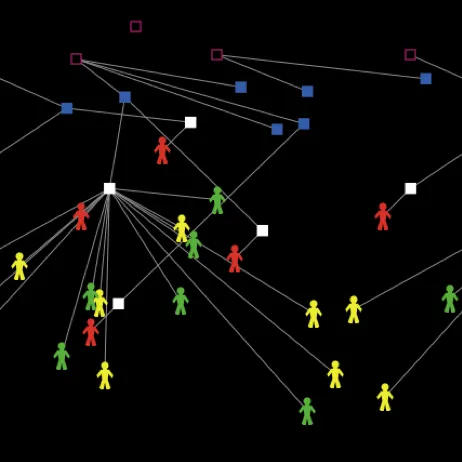
Example: network and consortia formation
Funded by the EU
FP7 / DG Research & Innovation / RTD-B6-PP-00962-2013
— Research note · policy & consortia line.